
Home › Specialities › Vision correction › Eyewear guide › Frame colour and skin tone
Which spectacle frame colour suits my skin tone?
Go by your undertone, not by how fair or dark you are. Warm undertones usually suit tortoise, honey, brown, gold and olive; cool undertones suit black, silver, gunmetal, plum, teal and grey crystal; neutral undertones can wear most colours. Hair colour, your workplace and your lens tint matter as well.
Indian skin ranges from very fair to deep brown, and within every shade there is an undertone that decides which colours look fresh beside the face and which look dull. Frame colour also changes how visible your spectacles are, how they photograph, how they age and how much of a thick lens edge shows. This guide explains how to find your undertone and what each colour family does, with its advantages and drawbacks.
Skin tone and undertone are not the same
Skin tone is how light or dark your skin is. Undertone is the colour beneath the surface: warm (golden, yellow or peachy), cool (pink, red or bluish) or neutral (a mix). Two people with the same skin tone can have different undertones, which is why the same frame flatters one and not the other, so check rather than assume.
How do I find my undertone?
These are rough home checks, not scientific tests, so use two or three together.
- Vein test: in daylight, look at the veins on the inside of your wrist. Greenish veins suggest warm, bluish or purple suggest cool, and a mix suggests neutral.
- Gold or silver: if gold jewellery lights up your face, you are probably warm; if silver does, probably cool; if both look good, neutral.
- White or cream: hold pure white and cream cloth near your face. Cool undertones look brighter in white, warm ones in cream.
- Sun: skin that tans easily to a golden brown is usually warm; skin that reddens first is often cool.
Hair, eyebrow and eye colour matter too. A frame close to your eyebrow colour looks natural; a contrasting one makes a statement. Grey and white hair change the picture, and many people move to softer or cooler colours as their hair greys.
Colour families explained
Black
The plain black plastic frame has been the standard serious look for decades and is still the colour most people start with.
- Advantages: goes with everything, reads as formal, and hides small marks.
- Disadvantages: can look heavy on a small or fair face, and draws attention to dark circles under the eyes.
- Good for: cool undertones, dark hair, strong features, and formal workplaces such as banks, courts and offices.
- Think twice if: you have delicate features or very fair skin and choose a thick black frame; matte black, a thinner rim or a black-and-clear frame is softer.
- Lens tint that matches: grey.
Tortoise and havana
Tortoise patterns imitate the shell of the hawksbill turtle, which was used for spectacles and combs for centuries. International trade in real hawksbill shell has been banned for decades under the CITES treaty, so today's tortoise frames copy the look, in acetate made by blending coloured acetate into a block, or in plastic with a printed pattern. Havana is the trade word for the darker, browner versions.
- Advantages: softer than black, hides fingerprints and wear, and suits a wide range of Indian skin tones.
- Disadvantages: a busy pattern can fight with patterned clothes, light yellow tortoise can make some skins look sallow, and very dark havana can blend into deep brown skin.
- Good for: warm and neutral undertones, brown or black hair, and almost any setting.
- Think twice if: you have a cool, pinkish undertone; a grey or cooler tortoise works better than a golden one.
- Lens tint that matches: brown or green.
Honey, amber and brown
Warm browns, from pale see-through honey to deep chocolate. No single designer is credited with them.
- Advantages: warm and natural, and softer on the face than black.
- Disadvantages: if the shade is very close to your skin colour, the frame can disappear or make the face look flat.
- Good for: warm undertones, brown hair, and people moving away from black.
- Think twice if: you have a cool undertone or grey hair; try a cooler brown or a two-tone frame.
- Lens tint that matches: brown or amber.
Gold and warm metals
Gold-tone wire frames, along with rose gold, bronze and copper finishes. 20/20 magazine's 2026 Frame Report described thin metal in gold and colours returning; see eyewear trends 2026.
- Advantages: light and elegant, and sits naturally with Indian gold jewellery; gold glows against brown skin.
- Disadvantages: plating can wear where the frame touches skin, especially with salty sweat, and the metal beneath may contain nickel.
- Good for: warm and olive undertones, deep skin tones, weddings and festivals.
- Think twice if: you react to nickel; pure titanium in every part, or a steel grade without nickel, is safer (see frame materials).
- Lens tint that matches: brown, green or a brown gradient.
Silver, gunmetal and grey metals
Gunmetal is a dark, slightly blue-grey metal finish, a soft alternative to black.
- Advantages: understated and professional, and ages well with greying hair.
- Disadvantages: bright silver can look cold or washed out on a warm, golden face.
- Good for: cool and neutral undertones, grey or white hair, office wear.
- Think twice if: you have a strongly warm undertone; gunmetal usually works better for you than bright silver.
- Lens tint that matches: grey.
Clear and crystal
Transparent frames return every few years; in 2026 VisionPlus described tinted transparent acetate in grey, tea, rose and olive shades.
- Advantages: looks light, suits almost every skin tone, and gives a near-rimless look with the strength of a full rim.
- Disadvantages: shows smudges, dust and skin oil in the corners, can turn yellowish over the years with sun and sweat, and the metal core inside the arms shows.
- Good for: people who want their spectacles to look discreet; tea and olive crystal for warm undertones, grey and rose for cool.
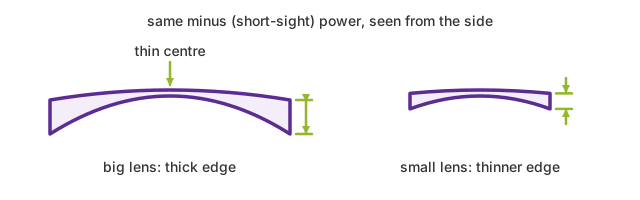
- Think twice if: you have a high minus power, because the thick lens edge and its rings show through the frame; a tinted crystal or darker rim hides more. See stylish frames for high power.
- Lens tint that matches: almost any.
Plum, burgundy and wine
In 2026, 20/20 and Eyecare Business named plum, purple and burgundy among new dark colours taking over from plain black.
- Advantages: softer than black yet still smart, and rich against brown skin.
- Disadvantages: can clash with some clothes, may highlight redness of the skin, and dates sooner than black or tortoise.
- Good for: cool and neutral undertones, deep skin tones and grey hair.
- Think twice if: your skin flushes easily, or you want one pair to stay current for many years.
- Lens tint that matches: grey or a soft rose-brown.
Teal, green and olive
Blue-green teal, leaf green and olive, a muted brownish green. No single designer is credited with them.
- Advantages: distinctive but calm; dark teal can pass as a near-neutral at work.
- Disadvantages: fewer outfits go with green than with black or brown.
- Good for: teal for cool undertones; olive and khaki for warm undertones.
- Think twice if: you dress mostly in reds or pinks.
- Lens tint that matches: green or grey.
Bright colours and two-tone frames
Reds, blues, yellows and pinks, and two-tone frames that are dark along the brow and clear or coloured below.
- Advantages: playful and confident; children often wear bright frames more willingly.
- Disadvantages: date quickly, can clash with clothes, stand out in formal settings, and painted colour can chip.
- Good for: young people, creative work, a second pair; two-tone is a middle path for the office.
- Think twice if: this is your only pair for several years.
- Lens tint that matches: keep everyday lenses clear; tints are for sunglasses.
Frame colour for work and daily life in Goa
- Offices, banks, courts and teaching: black, tortoise, gunmetal or dark plum.
- Tourism, hospitality and creative work: more room for colour and clear frames.
- Outdoor work, fishing and the port: darker colours hide wear; corrosion-resistant materials matter more than colour.
- Weddings, festivals and photos: gold and jewel tones look festive. Anti-reflection coating on the lenses cuts flash reflections in photos.
Matching sunglass tints to frame colours
As a rough pairing, grey lenses sit well with black, silver and plum frames, and brown, amber or green lenses with tortoise, honey, olive and gold. What each tint does, and why a UV400 rating matters more than the colour, is on our power sunglasses page.
Colour is the most personal part of choosing spectacles, so start with what you like and use the undertone as a guide. Shape and fit come first, and our page on frames for your face shape covers them. After your eye test, the frame is chosen around your prescription and measurements, the lenses are made and checked, and the colour is the final, enjoyable decision.
If you need spectacles, the Vision Correction Centre at ReNew Vision Eye Hospital, Vasco, provides vision correction: an eye test, lenses made to your prescription, and help choosing a frame that suits your lenses and your face.
Questions patients ask
Does a black frame suit dark skin?
It can, especially with strong features and dark hair, but black may blend into deep brown skin and make the frame look heavy. Many people with deep skin tones find gold, tortoise, plum or teal brighter beside the face. Try black against one of these and compare photos.
What frame colour suits grey hair?
Cooler, softer colours usually work well with grey or white hair: gunmetal, silver, grey crystal, plum, burgundy and cool tortoise. Very warm golden shades can look yellow next to grey hair, though warm-toned skin can still carry them.
Do clear frames turn yellow?
Over several years, sun, heat and sweat can give clear acetate a yellowish tinge, and smudges show more easily. A tinted crystal shade such as grey or tea hides this better than water-clear plastic. Clean the frame with mild soap and water.
Can I wear a coloured frame to the office?
Yes. Dark plum, burgundy, deep teal, gunmetal and tortoise all look professional while being softer than black. Two-tone frames that are dark along the brow and lighter below are another quiet way to add colour.
Which sunglass lens colour goes with a tortoise frame?
Brown and green lenses usually sit well with tortoise frames, while grey suits black and silver. The colour of the lens is a matter of taste and comfort; what protects your eyes is a UV400 rating, so check that first.
This page is general eye-health information, not personal medical advice. Your eye doctor advises you after examining your eyes.